Care training5 min read
Level 2 vs Level 3 Safeguarding: which do you need?
Level 2 adult safeguarding suits staff who work with adults. Level 3 is for staff who assess, plan and act on concerns. How to tell which your role needs.

The short answer
Level 2 adult safeguarding is for staff who have contact with adults who have care and support needs. Level 3 is for staff who help assess, plan, act on and review safeguarding concerns, such as registered nurses, senior carers who lead shifts, and managers. In NHS guidance, Level 2 means 3 to 4 hours of learning over three years and Level 3 means at least 8 hours, half of it interactive.
The numbered levels come from intercollegiate guidance used in UK health care. Adult social care in England uses them too, but no law sets them for care staff. Your employer decides which level your role needs.
On this page
Where do safeguarding "levels" come from?
They come from the intercollegiate guidance Adult Safeguarding: Roles and Competencies for Health Care Staff, agreed by the medical and nursing royal colleges. NHS England's South West training framework cites the August 2018 edition.
The guidance sets levels 1 to 5 plus a board level. Each level adds skills on top of the one below.
For adult social care, Skills for Care lists adult safeguarding as training every worker needs. It covers principles, how to reduce the risk of abuse, policies, roles, how to respond, restrictive practices, and local and national context. It does not use numbered levels, so employers often borrow the health care levels.

What is the difference between Level 2 and Level 3?
Level 2 is about recognising and reporting. Level 3 is about taking part in the response.
Swipe the table sideways to see every column.
| Item | Level 2 adult safeguarding | Level 3 adult safeguarding |
|---|---|---|
| Who it suits | Clinical and non-clinical staff with contact with adults who have care and support needs | Clinical staff who contribute to assessing, planning, intervening and evaluating safeguarding needs |
| Typical roles | Care assistants, support workers, domiciliary carers, reception and admin staff with patient contact | Registered nurses, senior carers and team leaders who lead on concerns, deputy and registered managers |
| Focus | Spotting signs of abuse and neglect, reporting correctly, your own role | Assessing risk, making referrals, working with other agencies, recording and reviewing |
| Learning time (NHS example) | 3 to 4 hours over 3 years | At least 8 hours over 3 years |
| Delivery (NHS example) | E-learning | Blended: about half face to face or live online, half e-learning, reflection and supervision |
The hours and delivery modes come from NHS England South West's framework, which applies the intercollegiate guidance. Other employers may set different hours.
Which level does a care worker need?
Most care workers need Level 2. It matches the Care Certificate's adult safeguarding standard and Skills for Care's core topic.
Care Certificate Standard 10 asks you to give the legal definition of an adult at risk, list types of abuse, describe restrictive practices and explain what to do if you suspect abuse. A Level 2 course covers the same ground.
You may need Level 3 if you lead shifts, write care plans, take safeguarding calls, or deputise for the manager. Ask your manager. The decision should be written in your service's training policy.

Which level does a nurse or manager need?
Registered nurses working with adults usually need Level 3. The NHS framework places all clinical staff working with adults with care and support needs at Level 3.
Registered managers make referrals and work with the local authority safeguarding team. In the NHS framework, named safeguarding professionals train at Level 4.
Example. Joy is a senior carer in a dementia unit in Birmingham. She completed Level 2 at induction. When she becomes a team leader, she starts handling concerns raised on her shift and phoning them through to the local authority. Her manager moves her to Level 3 and adds Mental Capacity Act training.
How often should safeguarding training be refreshed?
Skills for Care recommends a refresher at least every three years, or sooner when people's needs change or a new risk is introduced. The three years restart if you complete a recognised adult social care qualification that includes safeguarding.
See how often care training needs renewing for every topic.
Is child safeguarding separate?
Yes. Adult care workers also need child safeguarding awareness. Care Certificate Standard 11 asks social care workers to explain what to do if they suspect a child is being abused or neglected, wherever they meet that child. Health staff follow separate intercollegiate guidance on safeguarding children.
Estimate. You’re charged in pounds (GBP); your bank sets the final rate.
FAQs
Is Level 3 safeguarding a qualification?
Not always. "Level 3" usually describes the depth of training against intercollegiate competencies, not a regulated qualification. Some providers offer awarding-body certificates at Level 3. Check whether a course is on the Ofqual register if you need a regulated qualification.
Do I need Level 2 before Level 3?
Each level builds on the one below, so Level 3 assumes Level 2 knowledge. The NHS framework says earlier levels do not need repeating once achieved. Many people complete Level 2 at induction and move to Level 3 when their role changes.
Can I do Level 3 safeguarding fully online?
The NHS framework recommends about half of Level 3 learning is interactive, such as live sessions, plus e-learning, reflection and supervision. Check what your employer accepts. Some accept online courses alongside supervision and practice discussions as evidence.
Is safeguarding training a legal requirement?
No law names a safeguarding course. CQC-registered providers must train staff for their duties under Regulation 18, and Skills for Care lists adult safeguarding as training all care workers need. In practice, every care employer in England requires it.
Next step
Start with the free Level 2 Safeguarding (Adult) course, with a £9.99 (est. US$13, an estimate. You are charged in pounds and your bank sets the final rate) certificate when you pass at 70% or more. If you lead on concerns, move on to Level 3 Safeguarding (Adult). Planning a move into management? See the Care Manager pathway. Employers can track who holds which level with the free care home training matrix.
Level 2 Safeguarding (Adult)Sources
The official guidance this page is based on. Check the source for the latest rules.
- NHS England South West Safeguarding Training Framework 2022–2025 (NHS England) (opens in a new tab)
- Statutory and mandatory training guide for adult social care employers, December 2025 (Skills for Care) (opens in a new tab)
- Care Certificate standards updated 2025: self-assessment tool (opens in a new tab)
- Regulation 18: Staffing (CQC) (opens in a new tab)
Related courses and pathways
 Course · HealthcareLevel 2 Safeguarding (Adult)Recognise abuse and neglect, know your duties and follow the right reporting steps.See the course: Level 2 Safeguarding (Adult)
 Course · HealthcareLevel 3 Safeguarding (Adult)Principles, law and practical duties for protecting adults at risk from harm.See the course: Level 3 Safeguarding (Adult)
- Bestseller

Funded placement and mentoring into care management
Care Manager
A funded route into care management for UK care workers and nurses: a management placement, one-to-one mentoring, work references and interview preparation.

Keep reading
Care training6 min read
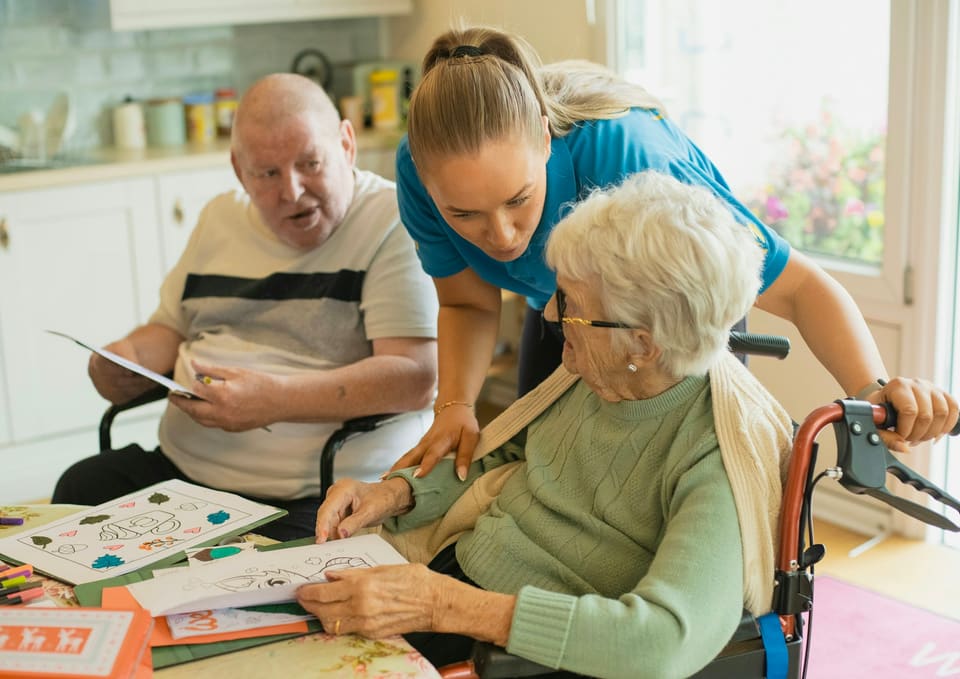
Funded and free training for care staff: what is available?
How the Learning and Development Support Scheme reimburses care employers in England, plus free e-learning options care staff anywhere can use.

Care training6 min read
How often does care training need renewing?
Most core care training is refreshed at least every 3 years, basic life support yearly. What is law, what is guidance, and what triggers an early refresh.
Care training5 min read
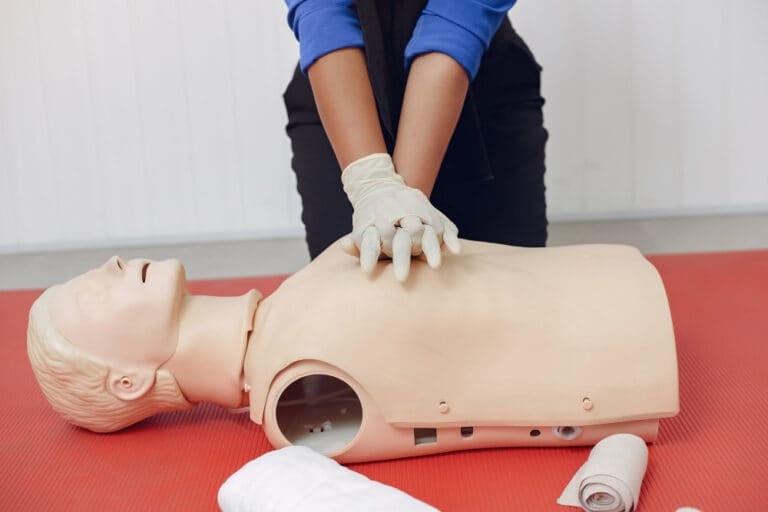
How often should staff refresh Basic Life Support training?
Resuscitation Council UK and Skills for Care both point to at least annual Basic Life Support updates. First aid certificates last three years.

PDF2 CSV
Free download
The care home training matrix spreadsheet
See at a glance who is in date, who is due soon and who is overdue, for every worker and every course.


