Nursing6 min read
NMC revalidation: how to log your CPD
NMC revalidation needs 35 hours of CPD every three years, 20 of them participatory. What to record for each activity and how to keep your log ready.

The short answer
To revalidate with the Nursing and Midwifery Council (NMC), you need 35 hours of continuing professional development (CPD) in the three years since you joined the register or last renewed. At least 20 of those hours must be participatory, which means learning with one or more other professionals, in person or online. For each activity, record the method, topic, dates, hours, the most relevant part of the Code, and evidence that you did it.
This applies to every nurse, midwife and nursing associate on the NMC register, wherever in the world you work.
On this page
What are the NMC revalidation requirements?
There are eight things to show. The NMC lists them as practice hours, CPD, practice-related feedback, written reflective accounts, a reflective discussion, a health and character declaration, a professional indemnity arrangement and confirmation.
| Requirement | What you need over three years |
|---|---|
| Practice hours | 450 hours for a single registration (900 for nurse and midwife) |
| CPD | 35 hours, at least 20 participatory |
| Practice-related feedback | 5 pieces |
| Written reflective accounts | 5, on the NMC form |
| Reflective discussion | 1, with another NMC registrant |
| Health and character | A declaration |
| Professional indemnity | An appropriate arrangement in place |
| Confirmation | Signed off by a confirmer, ideally your line manager |
Triple registrants (nurse, midwife and nursing associate) need 1,350 practice hours. If you have not met your hours, the NMC says you must complete an approved return to practice programme or a Test of Competence before you renew.

What must a CPD log include?
The NMC requires six pieces of information for every activity:
- the CPD method (for example, a workshop or an online course)
- a short description of the topic and how it relates to your practice
- the dates you did it
- the number of hours, including how many were participatory
- the part of the Code most relevant to it
- evidence that you completed it, such as a certificate
The NMC recommends its own CPD log template. Keep the evidence ready, because your confirmer will want to see it.
What counts as participatory CPD?
Participatory CPD is any learning that involves interaction with at least one other professional. It can be face to face or virtual. A study day, a group simulation, a peer learning set or a live webinar where you discuss cases all count.
Self-directed learning, such as reading an article or doing e-learning alone, counts towards the 35 hours but not the 20 participatory hours. Mix online courses with group sessions so that at least 20 hours involve other people.
The CPD must be relevant to your scope of practice. A nurse in a care home and a nurse in intensive care will log different topics.

How do I record feedback and reflections?
You need five pieces of practice-related feedback and five written reflective accounts. Feedback can be written or verbal, formal or informal. It can come from patients, colleagues, managers, team reports or your appraisal.
For each piece of feedback, note what it said and how you used it to improve. Do not record anything that could identify another person.
Each reflective account must use the NMC form. It should cover a piece of CPD, feedback or an event from your practice, and explain how it links to the Code. One account can draw on more than one of these.
Who can I have my reflective discussion with?
Your reflective discussion must be with another NMC registrant. It should be face to face and cover your five reflective accounts. Your partner signs the reflective discussion form with their name, NMC PIN, email, professional address and the date.
If your confirmer is also on the NMC register, the reflective discussion can be part of the confirmation meeting. If not, it must happen first.
Who can be my confirmer?
Your line manager is the preferred confirmer, and they do not need to be on the NMC register. If you have no line manager, choose a registered nurse, midwife or nursing associate. If neither is possible, another UK-regulated healthcare professional can do it.
Family members and close friends cannot be your confirmer. The NMC says you should get confirmation in the final year of your three-year period. You keep the confirmation form; you do not send it to the NMC.
A simple way to keep your log up to date
Amaka works as a nurse in a nursing home. After each training session she opens her log and adds one row. In March she completes Sepsis Awareness online (2 hours, self-directed) and a team simulation on deterioration (3 hours, participatory). She notes the part of the Code each one supports and saves the certificates in the same folder.
By her final year she has 38 hours logged, 22 of them participatory. Her confirmation meeting takes 40 minutes because the evidence is already in order.
The free CQC training records pack includes a log layout you can adapt for personal use.
Estimate. You’re charged in pounds (GBP); your bank sets the final rate.
FAQs
Can online courses count towards NMC CPD?
Yes. Online courses count towards your 35 hours if they are relevant to your practice and you keep evidence. They count as participatory only if you interact with other professionals during the learning, such as in a live group session. Solo e-learning counts as self-directed hours.
Do I send my CPD evidence to the NMC?
No. You keep your CPD log, feedback notes, reflective accounts and forms yourself. Your confirmer reviews them. You enter details such as your reflective discussion partner's and confirmer's information in your revalidation application on MyNMC. Keep the forms and evidence safe after you renew.
How many CPD hours are participatory?
At least 20 of your 35 CPD hours must be participatory. Participatory means the learning involved interaction with one or more other professionals. It can take place in person or virtually. The other 15 hours can be self-directed, such as reading or solo e-learning.
What if I have not done 450 practice hours?
The NMC says you must complete an approved return to practice programme or a Test of Competence before your renewal date. Practice hours can include direct care, managing teams, teaching and running services, as long as you use your nursing, midwifery or nursing associate knowledge.
Does a MySkillsPlace certificate count as CPD evidence?
It can serve as evidence that you completed an activity. Each certificate carries a unique certificate number that anyone can check at /verify. You still need to log the topic, hours, Code link and how it relates to your practice.
Next step
Add relevant hours to your log with free online courses such as Infection Prevention and Control or Basic Life Support. They are free to study, with a £9.99 (est. US$13, an estimate. You are charged in pounds and your bank sets the final rate) certificate when you pass at 70%. Working towards registration? See NurseBridge.
Infection Prevention and ControlSources
The official guidance this page is based on. Check the source for the latest rules.
- NMC: Revalidation requirements (opens in a new tab)
- NMC: Continuing professional development (opens in a new tab)
- NMC: Practice hours (opens in a new tab)
- NMC: Practice-related feedback (opens in a new tab)
- NMC: Written reflective accounts (opens in a new tab)
- NMC: Reflective discussion (opens in a new tab)
- NMC: Confirmation (opens in a new tab)
Related courses and pathways
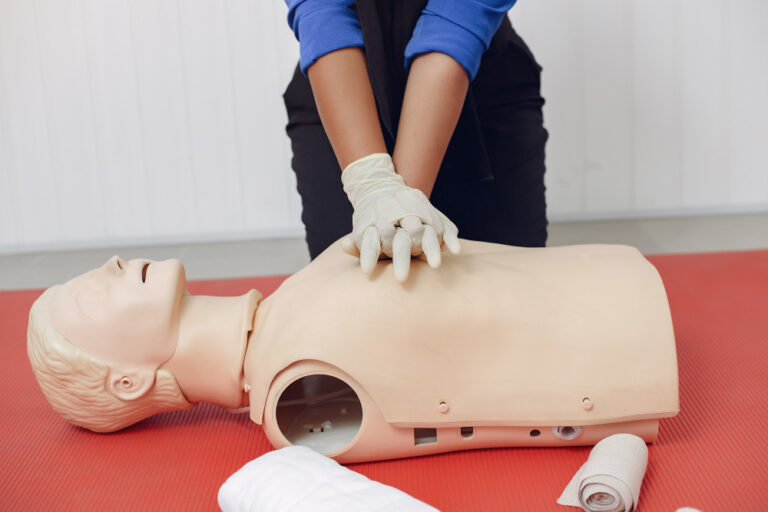 Course · HealthcareBasic Life SupportRespond to life-threatening emergencies with the core skills of basic life support.See the course: Basic Life Support
 Course · HealthcareInfection Prevention and ControlStandard precautions and good practice to stop infection spreading in care settings.See the course: Infection Prevention and Control
 Course · HealthcareMedication Awareness, Administration and Dosage CalculationSafe handling and giving of medication, dosage calculation, recording and legal duties.See the course: Medication Awareness, Administration and Dosage Calculation
- Bestseller

Funded route from care work to nursing
NurseBridge
A funded programme for care workers who want to train as nurses: a placement, an adviser at every stage and help applying to nursing school. Free for you, with a Level 5 Diploma.

Keep reading

Qualifications6 min read
ATHE Level 3 vs Level 5 Diploma in Health and Social Care
ATHE Level 3 builds core health and social care knowledge. Level 5 focuses on leading and managing. Compare entry, hours, units and where each leads.
Clinical skills6 min read
Clinical skills for carers: catheter care, venepuncture and more
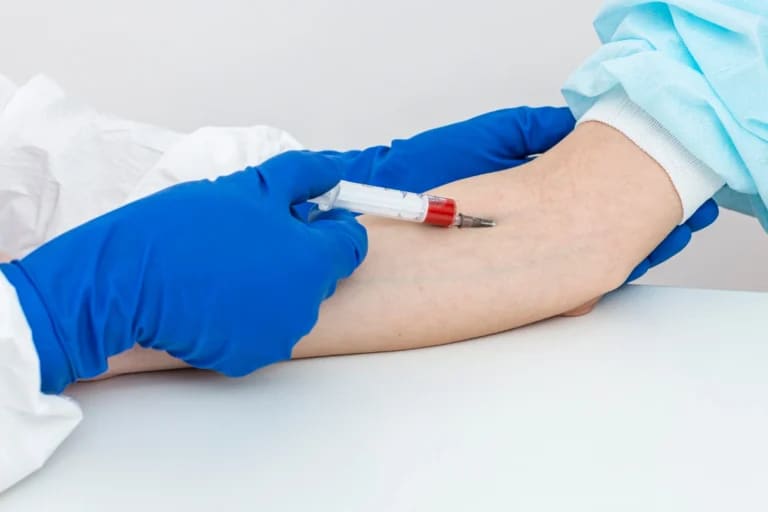
Care workers can do some clinical tasks, like catheter care or insulin support, when a nurse delegates them and they are trained and assessed as competent.

Food safety6 min read
Do food handlers legally need a food hygiene certificate?
No. UK law does not require food handlers to hold a certificate. It does require supervision and training that fits their work. Here is what that means.

PDF1 CSV
Free download
The CQC staff training records pack
Get your training evidence into one tidy folder before the inspector asks, with a record template and a 30-point checklist.


